
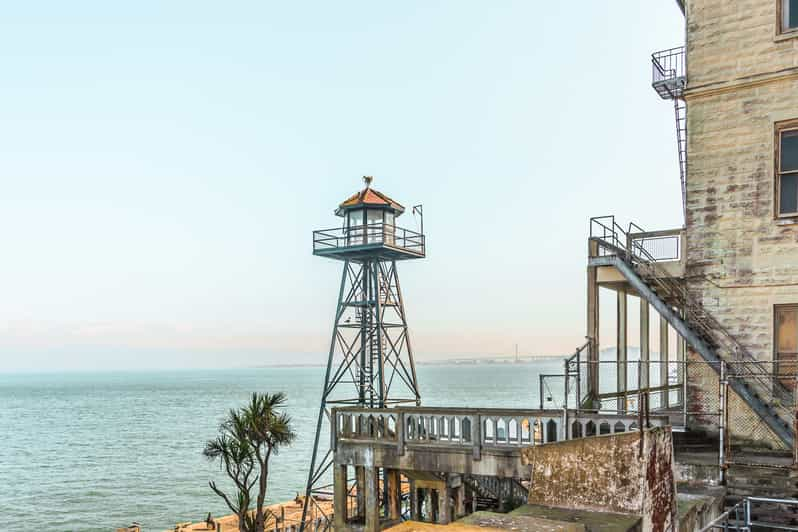
The History of Alcatraz Island
From a Civil War military fort to America's most inescapable federal penitentiary, discover the legendary timeline of "The Rock."
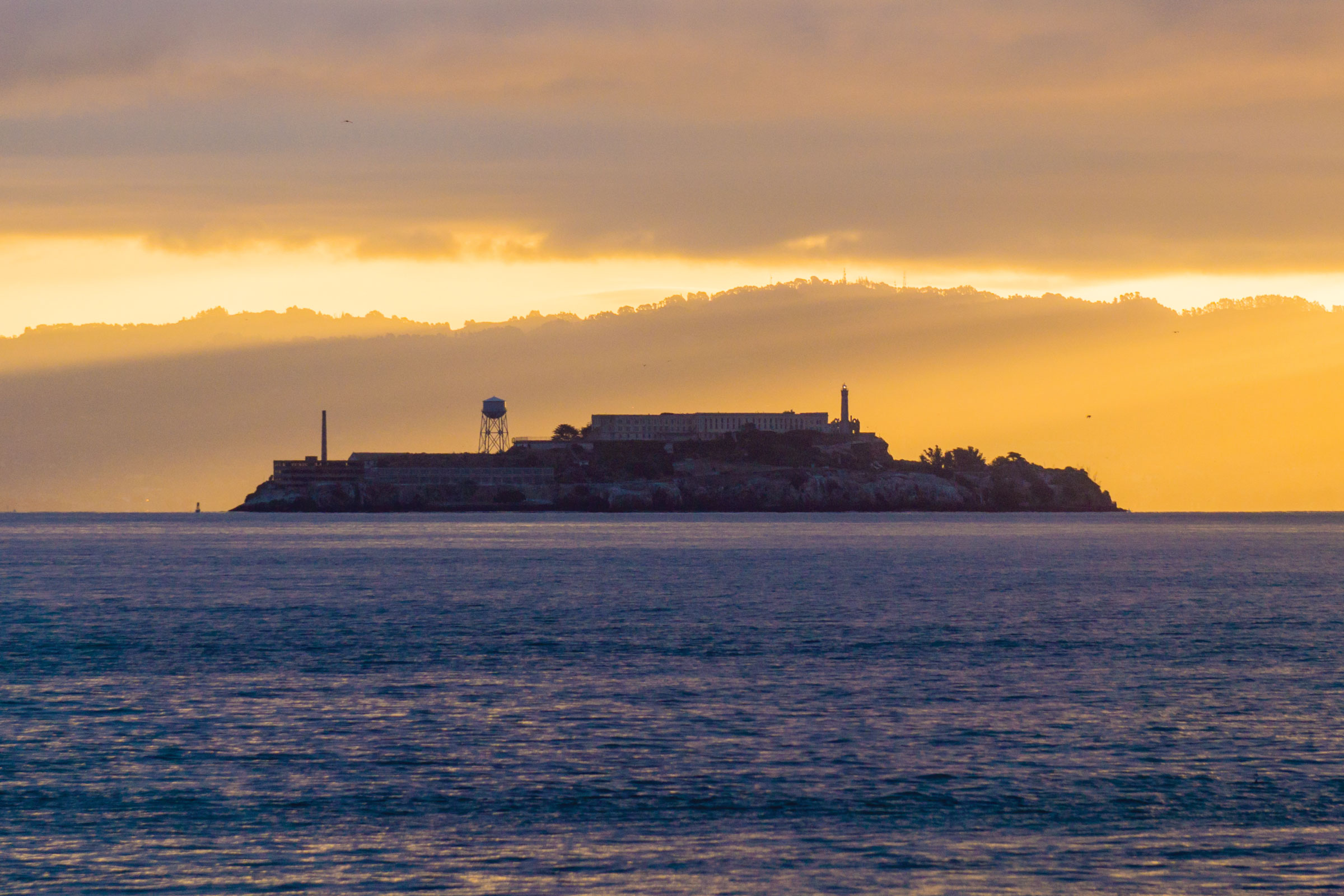
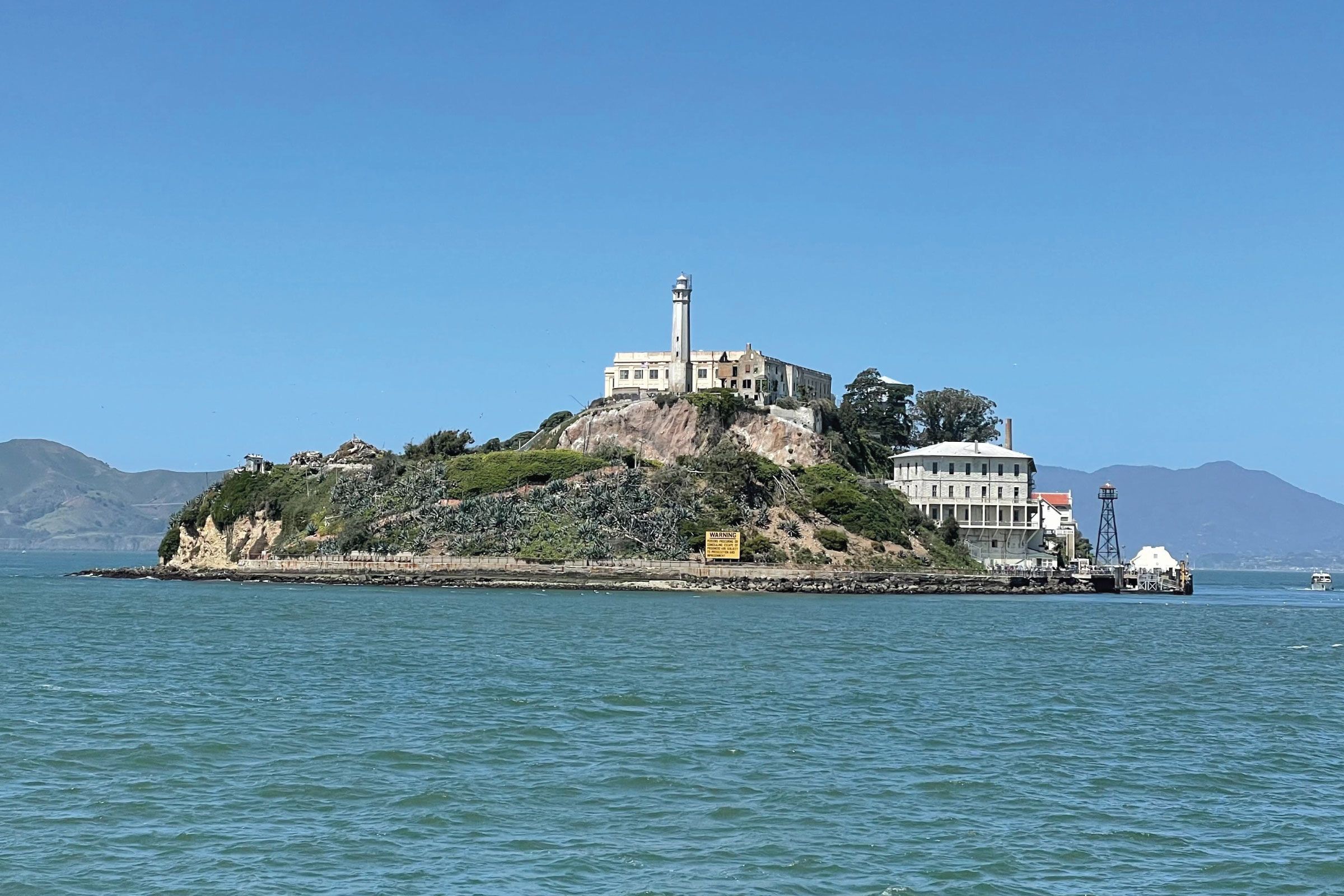
The History of Alcatraz Island is a very interesting one. Located in the San Francisco Bay, just over a mile from the shores of San Francisco, the island was originally developed in the 1860s for use as a military fort and military prison. Alcatraz acted as a penitentiary for military personnel during the Civil War, the Spanish-American War, and World War I. During that time, the island prison held an average of over 200, and up to 500, prisoners from all sides of the conflicts. In 1934, the prison was handed over to the United States Justice Department and became a Maximum Security Federal Penitentiary.
Timeline of The Rock
1860s
Developed as a military fort and prison, holding soldiers during the Civil War, Spanish-American War, and WWI.
1860s
Developed as a military fort and prison, holding soldiers during the Civil War, Spanish-American War, and WWI.
1934
Handed over to the U.S. Justice Department. Alcatraz officially becomes a Maximum Security Federal Penitentiary.
1934
Handed over to the U.S. Justice Department. Alcatraz officially becomes a Maximum Security Federal Penitentiary.
March 21, 1963
Alcatraz Federal Prison is officially closed due to deteriorating infrastructure and massive repair costs.
Nov 20, 1969
89 protesters from "Indians of All Tribes" arrive on the island, beginning a historic 19-month occupation.
June 11, 1971
The Native American occupation peacefully comes to an end as police remove the final 15 remaining protesters.
Famous Inmates
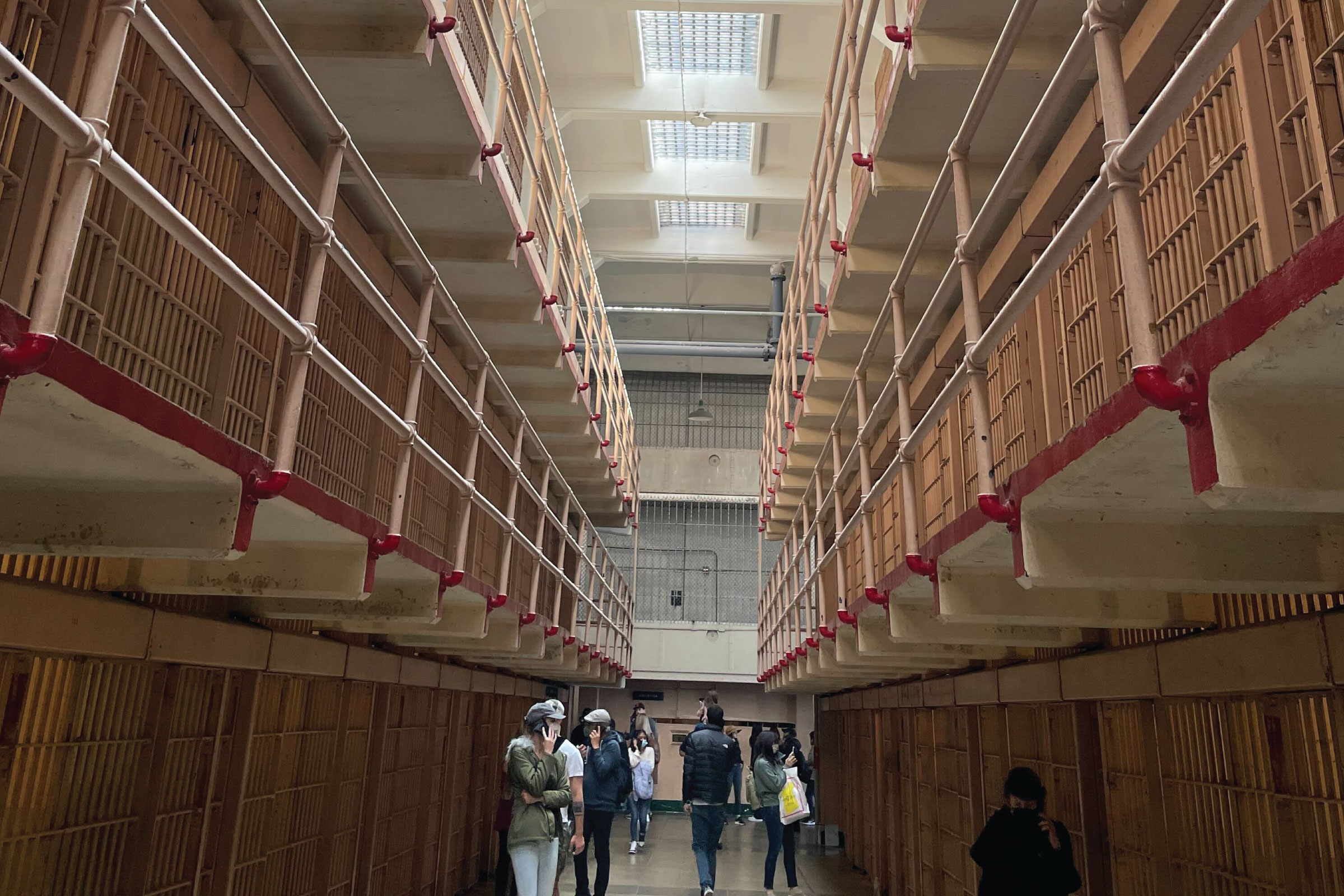
After its transition from a Military Prison to a Federal Prison, Alcatraz became the place to send the most dangerous and notorious criminals in the United States. It was known as the "prison for the prison system"—meaning that when someone did not conform to regulations or attempted escapes from other prisons, they were sent to Alcatraz.
The island held infamous criminals such as Al Capone, George "Machine Gun" Kelly, Mickey Cohen, James "Whitey" Bulger, and Robert Stroud (more famously known as The Birdman of Alcatraz). A total of 1,576 inmates were kept at Alcatraz during its time as a Federal Prison.
Prison Closure
Alcatraz Federal Prison officially closed on March 21, 1963. Director of the Federal Bureau of Prisons, James Bennett, wrote an official statement in August of 1962 announcing the intent to close the prison.
The buildings had deteriorated due to salt air to the point they had become unsafe for prisoners and staff alike. The electrical system needed to be overhauled, and the structures would not be able to withstand an earthquake of any significant magnitude. The estimated cost to bring the prison up to standard was $4 million and would have taken 5 years to complete, so the decision was made to finally shut the prison down.
Native American Occupation
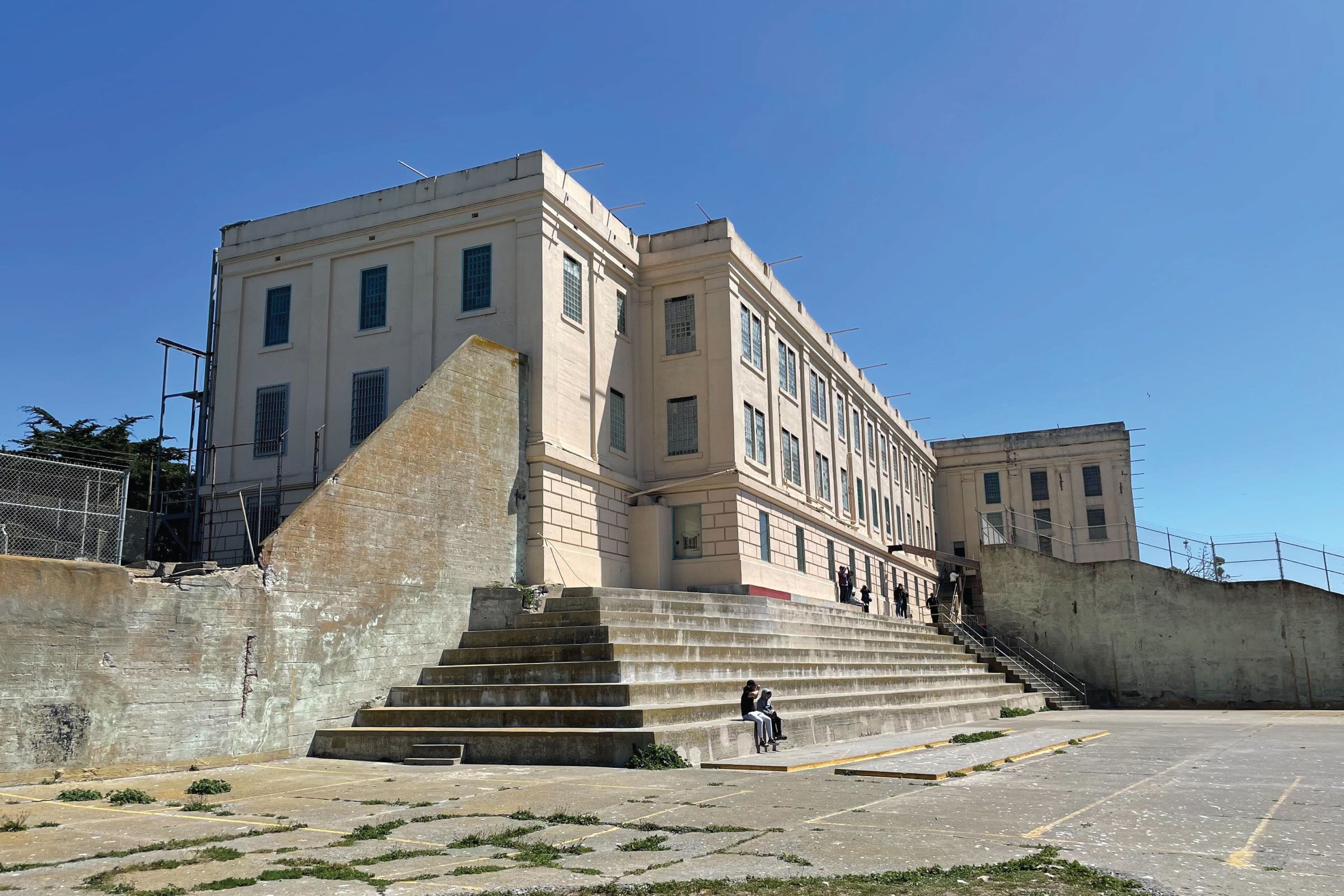
An initial failed attempt by the Sioux Tribe to claim Alcatraz Island under the Sioux Treaty in March of 1964 was the catalyst for the famous occupation of Alcatraz from 1969-1971. A group calling themselves the Indians of All Tribes set their sights on the island.
A total of 89 American Indian protesters set out to occupy Alcatraz in the early hours of November 20th, 1969. While the Coast Guard blocked most, 14 made it, beginning a 19-month occupation. At its peak, up to 400 people lived on the island.
The occupation dwindled due to cut power, fires, lack of fresh water, and the tragic death of organizer Richard Oakes' stepdaughter. It came to an end on June 11th, 1971, when a police force peacefully removed the remaining 15 protesters.
Alcatraz Today
Today, Alcatraz Island is a National Historic Landmark managed by the National Park Service. It is one of San Francisco's most popular tourist attractions, drawing over a million visitors a year who come to walk the eerie cell blocks, listen to the award-winning audio tour, and reflect on the island's deeply layered history.
Book an Alcatraz Tour